
2026-08-22 · Jim McGuiness
Gas vs. Electric Water Heaters: Which Is Better?
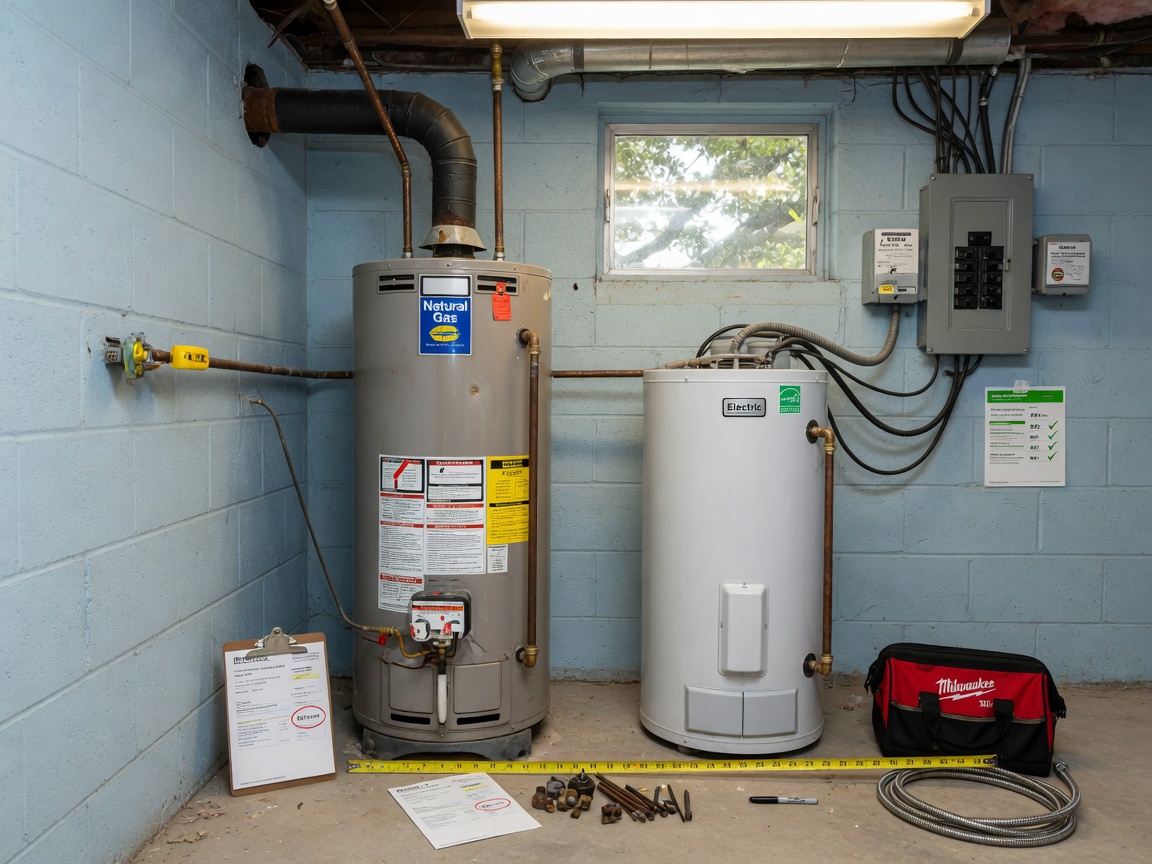
In Austin homes across Travis County, gas water heaters generally outperform electric models on recovery speed and operating costs when gas service is available, though the right choice depends on your specific property and existing utilities.
Recovery Rates and Daily Performance
Austin's hot humid summers drive higher hot water demand for showers and laundry, especially in family homes in South Congress or Zilker. Gas units heat water roughly twice as fast as electric models, restoring temperature in 30-40 minutes versus 60-80 minutes for standard electric tanks. This matters in older housing stock found in Hyde Park and Clarksville, where simultaneous morning use is common. Mild winters with spring wildflowers mean less overall demand than colder climates, yet gas still maintains steady supply during peak evening loads in Barton Hills. Electric units can suffice in single-occupant Downtown apartments but struggle with larger Travis Heights households. Proper sizing remains critical regardless of fuel type.
Operating Costs in Travis County
Monthly energy bills vary by neighborhood due to Austin Energy rates and gas utility pricing. A typical 40-gallon gas model costs $25–$35 per month to operate, while a comparable electric unit runs $40–$55. Homes in Mueller or Westlake with newer insulation see smaller gaps, but older East Austin properties lose efficiency faster from sediment buildup accelerated by hard water. Mild winters reduce overall usage compared to northern cities, yet summer humidity increases shower frequency and thus energy draw. Switching from electric to gas in Round Rock or Pflugerville often pays back in 3–5 years through lower bills. Always compare your current utility statements before deciding.
Installation Factors in Austin Neighborhoods
Many homes in Clarksville and Hyde Park still rely on gas lines, making gas water heater installation straightforward with venting through existing chimneys. Newer builds in Cedar Park or Pflugerville sometimes lack gas service, favoring electric water heater installation without additional piping. Terrain around Mount Bonnell and Barton Springs Pool areas can complicate venting on sloped lots. Tank size matters: 50-gallon units fit most three-bedroom homes in these zones. Local soil conditions around Lady Bird Lake occasionally affect foundation-adjacent installations. Homeowners should verify line access before committing to either fuel type.
Longevity and Maintenance Needs
Both types last 8–12 years in Austin's climate when maintained, though gas models in humid conditions near Zilker Park may need earlier anode rod checks due to faster corrosion. Electric elements last longer in milder winters but fail sooner if sediment from Barton Hills wells accumulates. Annual flushing prevents efficiency loss in the hot summers common to Travis County. For properties considering upgrades, gas water heater installation or electric water heater installation teams can assess existing setups on-site. Readers exploring efficiency options may also review hybrid water heaters for potential long-term savings.
Making the Final Decision
Choose gas when gas lines exist and faster recovery is needed for busy households in South Congress or East Austin. Select electric in areas without gas access or for smaller loads in Downtown condos. Lone Star Water Heater Pros remains available 24 hours, 7 days a week to evaluate your system and provide upfront quotes for either option in Austin or nearby Round Rock, Pflugerville, and Cedar Park.