
2026-08-22 · Jim McGuiness
When Should You Replace Your Water Heater?
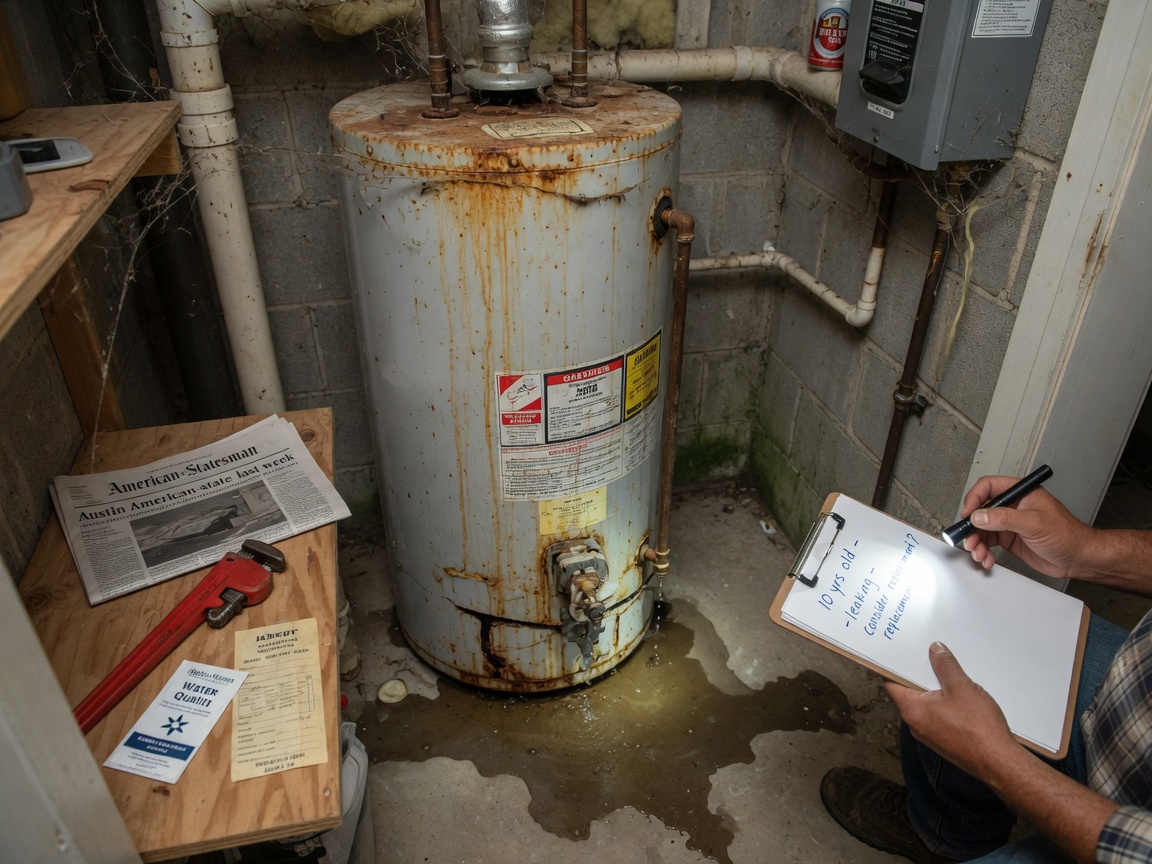
Most water heaters serving Austin homes reach the end of reliable service between 8 and 12 years. In Travis County neighborhoods with older housing stock such as Clarksville and Barton Hills, units often require replacement closer to the 8-year mark due to sediment buildup from local water conditions and the strain of hot humid summers. Mild winters with spring wildflowers do little to offset the daily workload on tanks in East Austin and Mueller homes built decades ago. Homeowners notice declining performance first through inconsistent temperatures or higher utility costs. Checking the manufacture date on the tank label provides the clearest starting point for planning replacement before a sudden failure disrupts daily routines.
Age and Lifespan in Local Homes
Austin's housing stock varies widely by neighborhood. Homes in Hyde Park and Travis Heights often contain original tanks from the 1990s or early 2000s that have already exceeded the typical 8-12 year lifespan. Newer construction in Mueller and Zilker still faces accelerated aging because of the region's mineral-rich water and constant high demand during humid summer months. Downtown and South Congress properties with limited space frequently install smaller 40-gallon or 50-gallon units that cycle more frequently, shortening service life. Westlake and Barton Hills residences with larger families push 80-gallon tanks harder, pushing replacement timelines forward. Checking the install date stamped on the tank helps residents in Round Rock, Pflugerville, and Cedar Park decide whether their unit has reached the replacement window before leaks or inefficiency appear.
Impact of Austin's Climate on Water Heater Longevity
Hot humid summers place continuous stress on water heaters across Travis County. Elevated incoming water temperatures combined with high household usage increase internal corrosion rates, especially in tanks without regular flushing. Mild winters reduce some thermal stress compared with colder regions, yet the spring wildflower season brings pollen and humidity that can affect venting on gas models in Clarksville and East Austin. Soil conditions around Lady Bird Lake and Zilker Park areas contribute to faster exterior rust on tanks installed in crawl spaces or garages. Residents in these zones often see sediment layers form quicker than in drier parts of Texas, making the 8-12 year replacement guideline more of a ceiling than a target. Monitoring for early signs prevents emergency calls during peak summer demand.
Common Signs Replacement Is Needed
Several observable changes indicate a water heater has reached replacement time rather than another repair cycle. Rusty or discolored water from any faucet points to tank corrosion that no longer responds to flushing. Rumbling or popping sounds during heating cycles signal heavy sediment that insulates the burner or element and raises energy use. Leaks around the base or pressure relief valve in homes throughout Hyde Park and Mueller usually mean the tank wall has thinned past safe limits. Inconsistent hot water delivery, especially noticeable after 8 years of service, shows the dip tube or heating components have degraded. Homeowners who track utility bills notice gradual increases that coincide with these symptoms. Signs your water heater is failing offers a detailed checklist tailored to Austin conditions.
Repair Versus Replacement Decision
Deciding between repair and replacement depends on the unit's age and the cost of parts relative to a new install. A 40-gallon electric model in a South Congress bungalow that is already 10 years old rarely justifies a $400–$600 repair when a full water heater replacement costs only modestly more. Gas units in Westlake homes with venting issues often require new exhaust components that push repair totals past the value of the existing tank. In contrast, a 5-year-old hybrid water heater in Pflugerville may receive a new element or thermostat and continue another 4-5 years. Water heater maintenance performed annually can extend life but cannot reverse corrosion once it begins. Weighing the remaining expected lifespan against repair invoices helps Travis County homeowners avoid repeated service calls during the hottest months.
Planning Replacement in Travis County Neighborhoods
Scheduling replacement before failure allows selection of the correct capacity and fuel type for each property. Older homes in Clarksville and Hyde Park frequently need 50-gallon tanks to match existing connections and space constraints. Newer builds in Mueller benefit from high-efficiency models that handle the humidity without excessive cycling. What size water heater do you need? walks through calculations based on household size and peak demand common to Austin families. Lone Star Water Heater Pros remains available 24 hours a day, 7 days a week to handle installations in Round Rock, Cedar Park, and Pflugerville without disrupting work schedules. Proper sizing and venting during replacement prevents the efficiency losses seen in many older installations across Barton Hills and Zilker.